
Software built to be attacked.
We design, build and operate software for organizations that get audited, regulated and targeted. The same team that writes the code tries to break it, and signs its name to the result.
Build it. Break it. Run it. Prove it.
Most firms do one of these. We do all four with one team, because a product that was never attacked by its own engineers is a product that will be attacked by someone else's.

Build · Product engineering
Web, mobile, API and data platforms designed from a threat model, written under review, and shipped with the evidence your auditors will ask for.

Break · Application security
Grey-box penetration testing, secure code review, threat modeling and red-team exercises on software we built and software we did not.
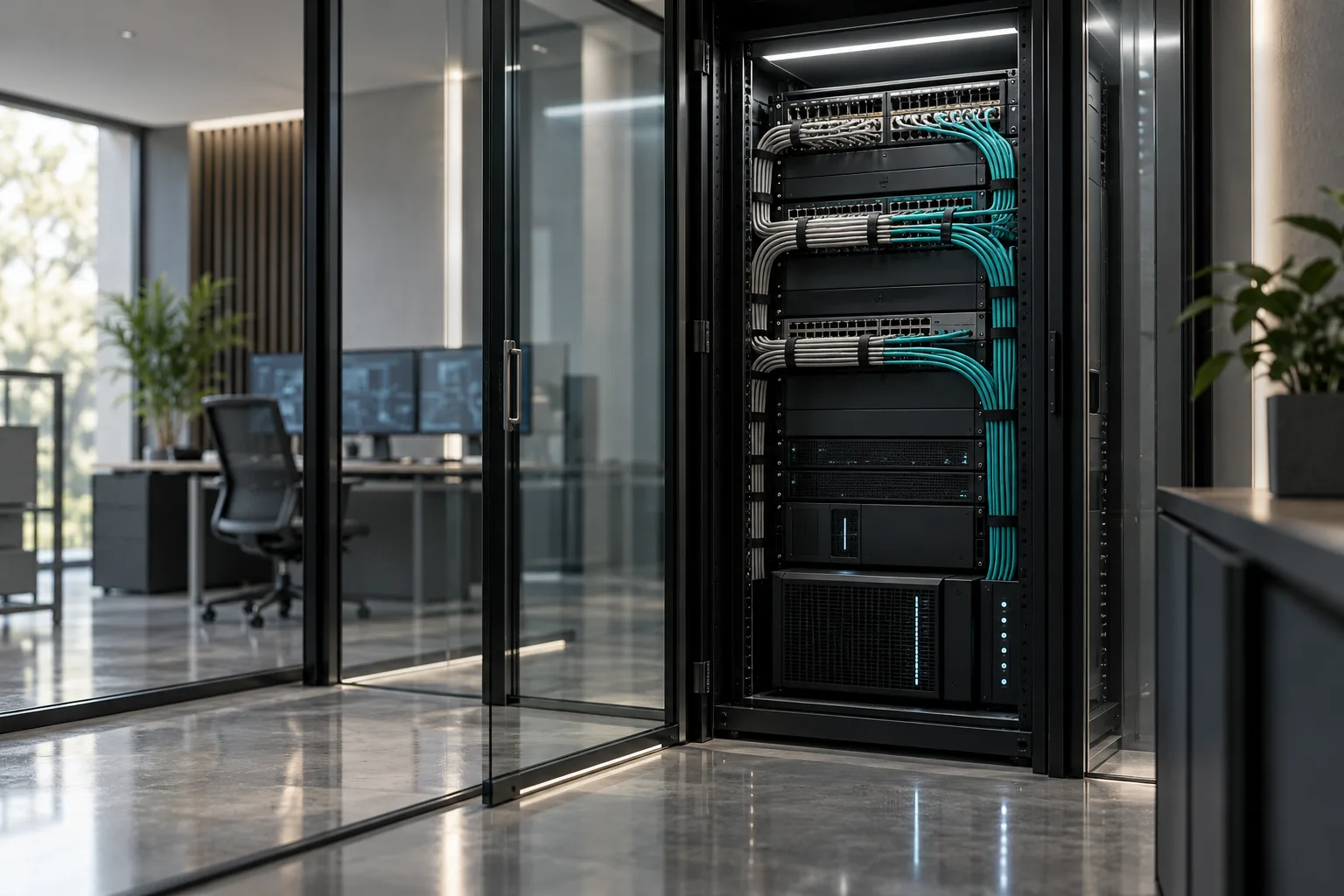
Run · Platform engineering
Cloud and on-premises platforms, infrastructure as code, observability and 24×7 operations, held to the same controls as the code they run.

Prove · Compliance engineering
SOC 2, HIPAA, PCI DSS, FedRAMP and CMMC readiness done as engineering work, with controls that are automated and evidence that collects itself.

We test with the source open and the gloves off.
Black-box testing finds what an outsider can find in a week. White-box review finds what a reader can find in the code. Grey-box testing, with the source, the architecture and a working account in hand, finds what a motivated adversary will find in six months. That is the standard we hold our own work to.
- Threat model before design, revisited at every milestone
- Every change reviewed by a second engineer with security sign-off
- Independent internal penetration test before each major release
- Findings tracked to closure with evidence, not a spreadsheet of promises
Built for sectors where a breach is a headline.



We stopped treating security as a phase in 2014. It is a property of how the team works, or it is not there at all.Engineering principles · Grey Ferrite
Project teams with a defined deliverable, or engineers embedded in yours for a quarter or a year.
We work in your systems from the first commit. Nothing to migrate when the engagement ends.
A single engineering lead owns the engagement, the estimate and the phone call when something breaks.
Threat models, test reports and control mappings are deliverables, not add-ons.
Recent notes
September 2026
Why your annual pentest keeps finding the same three things
And what a grey-box engagement finds instead.
July 2026
SOC 2 as an engineering problem
Controls that run in CI are controls that stay true.
May 2026
Grey Ferrite takes the second floor
Expansion in the North Loop and what it means for hiring.
Tell us what keeps your CISO up at night.
An engineering lead, not a sales rep, replies within one business day.